The practice opened in 1996 and closed for patient care on June 17, 2026. Over those nearly three decades, we slowly unraveled the complexities of the chronic illness repeatedly demonstrated in patients with Lyme, Bartonella, and associated zoonotic infections.
Though the practice is now closed to patient care, Dr. Phillips remains committed to this community. He plans to keep contributing in the ways he can: providing expert testimony at the federal level, advancing the drug-development research aimed at better treatments for these infections, and creating informational and entertaining content through this website, the ZeroSpin newsletter and podcast, and the ZeroSpin Shop.
These illnesses are among the most enigmatic and hotly debated in all of medicine, the unfortunate result of which is that these chronically ill patients have become an exceedingly disenfranchised patient group.
It’s been difficult but very gratifying to help patients in a very material way.
Why this is personal
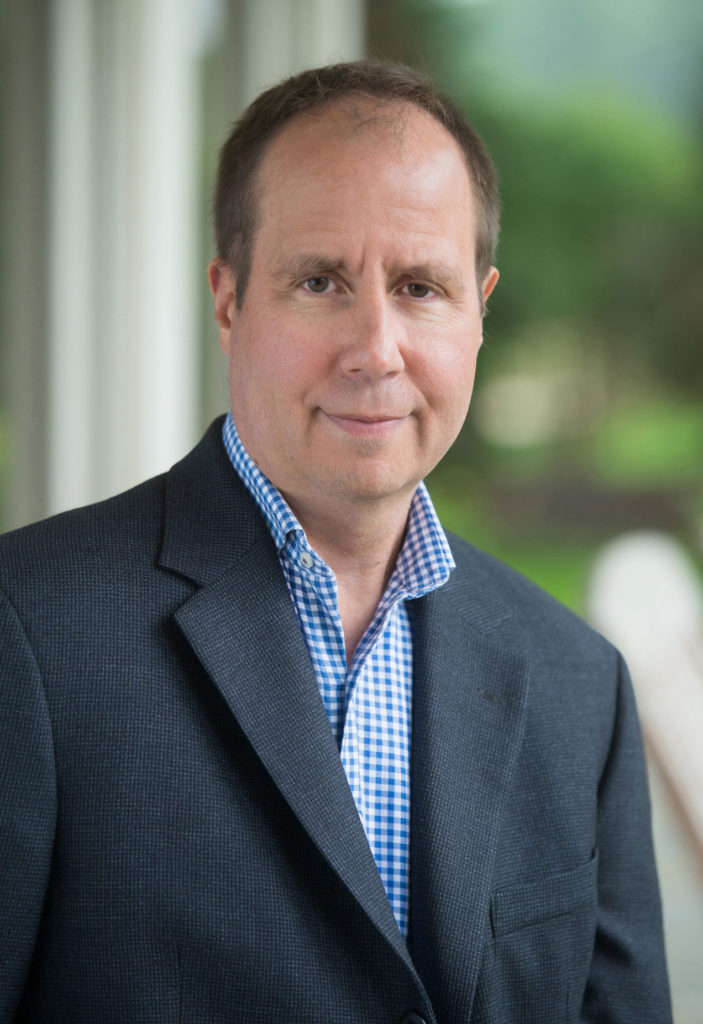
I didn’t choose this field. It chose me.
Some of you know my story; some don’t. Here’s the short version.
In my second year of medical school, I got sick. Muscle pains, belly pains, disrupted sleep, pins and needles in my left foot, heart palpitations — and that’s just part of the list. A dozen doctors couldn’t tell me why.
Then I sat through a lecture on Lyme disease. Afterward, I demanded a Lyme test from my doctor. It came back positive. Antibiotics helped.
But I relapsed every time I came off them. I saw Lyme experts at some of the most prestigious universities in the country. The one who helped me most specialized in chronic Lyme.
My case was significant, but it was never disabling. On its own, it wasn’t enough to make me build a career around this.
What changed that was my father.
For more than 20 years, he’d been declining with progressive heart failure from dilated cardiomyopathy. As I was finishing residency, he had about six months to live and was being steered toward a heart transplant.
He had undiagnosed Lyme disease — and it was causing his heart failure.
His cardiologist refused to believe it. That left me to treat my own father, because no one else would. His heart function returned completely to normal on antibiotics.
Watching him deteriorate for years under the care of NYC’s top cardiologists — and then watching him recover — is what made me focus my career on the chronic illnesses caused by Lyme and other infections.
Then, in the late summer of 2010, my own life changed.
I woke up with severe neck pain. Within days it spread down my entire spine and into most of my joints. Within weeks it had become a fulminant inflammatory arthritis of my spine and peripheral joints, with severe anemia and fevers over 102° every night.
Over the next several months I lost more than 50 pounds — from 185 down to 132 — and lost much of my vision to severe uveitis.
By six months in, I couldn’t take a single step on my own. By nine months in, I couldn’t sit up in bed or lift my arms against gravity. Everyone thought I was going to die — myself included. I nearly did.
I saw dozens upon dozens of doctors. Dying is bad enough on its own. For your doctors not to know why — that’s an extra slap in the face.
Then I got an email from an old acquaintance, asking for help for her friend’s daughter — a girl in the hospital with a mystery illness. She’d had a positive brucella blood test, and no one knew what it meant.
By then, I had to drag my hands across the keyboard. Only my fingers and wrists had any strength; my arms were essentially paralyzed at the shoulders.
I looked up brucellosis. My heart was in my throat. It described my illness exactly.
I called my doctor and told him what I’d found. My own brucella test came back negative — but I asked to be treated for it empirically anyway, and he agreed.
Long story short: I got my life back. My bartonella test was positive. (Bartonella is a close cousin of brucella, and the two overlap clinically.)
I went out on disability in June 2011. I returned to practice in 2013, and by 2015 I was functioning at a very high level again.
I don’t pull my punches. My father nearly died. I nearly died. Not because the science wasn’t there — but because almost no one bothered to look.
Nobody should have to die from ignorance. It’s a low bar. Medicine still manages to trip over it. There’s no excuse for a profession this advanced to be this bereft of competence in an area this consequential — and yet, here we are.
That’s why I do this. I’ve been the patient no one could explain. I believe my patients — because I’ve lived it.
 Zero
Zero